Wycombe Abbey wedding flowers booking guide and costs
Posted on 26/09/2026
Planning wedding flowers for Wycombe Abbey can feel a bit like balancing beauty, timing, and budget all at once. You want arrangements that suit the venue, look elegant in photos, and still make sense financially. That is exactly where a clear Wycombe Abbey wedding flowers booking guide and costs breakdown helps. It takes the guesswork out of the process, so you can make calm decisions instead of last-minute ones, which, let's face it, nobody enjoys during wedding planning.
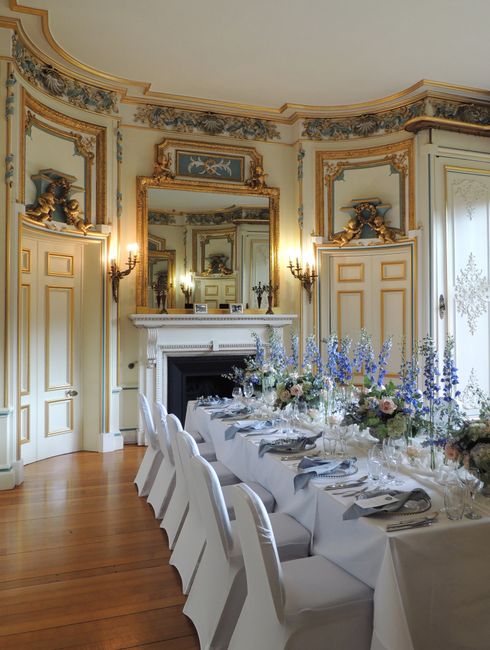
Wycombe Abbey has a distinctive setting, so the flowers need to complement the space rather than compete with it. In this guide, you will find a practical step-by-step approach to booking, what usually affects cost, how to compare options, and where couples often overspend without realising. We will also cover smart ways to brief a florist, common mistakes to avoid, and a realistic example of how a floral plan may come together.
If you are still exploring style ideas, it can help to browse a specialist wedding flowers High Wycombe page for a broader sense of seasonal designs, bridal bouquets, and venue-ready arrangements. And if you are comparing suppliers, a local florist in High Wycombe can often guide you on what works best for the venue layout, access, and delivery timing.
Table of Contents
- Why Wycombe Abbey wedding flowers booking guide and costs Matters
- How Wycombe Abbey wedding flowers booking guide and costs Works
- Key Benefits and Practical Advantages
- Who This Is For and When It Makes Sense
- Step-by-Step Guidance
- Expert Tips for Better Results
- Common Mistakes to Avoid
- Tools, Resources and Recommendations
- Law, Compliance, Standards, or Best Practice
- Options, Methods, or Comparison Table
- Case Study or Real-World Example
- Practical Checklist
- Conclusion
- Frequently Asked Questions
Why Wycombe Abbey wedding flowers booking guide and costs Matters
Wycombe Abbey is the kind of venue where flowers do a lot of quiet heavy lifting. They soften formal spaces, frame photographs, and create a sense of occasion before guests have even sat down. That matters because the wrong scale, colour palette, or delivery plan can make even lovely flowers feel slightly out of place. Not disastrous, just... not quite right.
For a venue like this, the booking guide matters for three reasons. First, you need enough time to plan properly, because wedding floristry is not something you want to leave until the final few weeks. Second, costs can vary a lot depending on season, flower choice, installation complexity, and whether the florist is supplying ceremony flowers, reception pieces, or both. Third, the venue itself may have access timings or setup requirements that affect what is practical on the day.
There is also a trust factor here. Many couples know the look they want, but not the process behind getting there. A good booking guide gives you the confidence to ask the right questions, compare quotations fairly, and avoid paying for unnecessary extras. In our experience, that alone can save a surprising amount of stress.
Truth be told, flowers are one of those wedding elements where people often think only about the bouquet. Then they realise the room still needs table arrangements, buttonholes, aisle flowers, and possibly statement pieces for the staircase or entrance. The costs rise quickly if the plan is not clearly mapped out early.
How Wycombe Abbey wedding flowers booking guide and costs Works
The process usually starts with your overall vision and your budget range. Once those two things are clear, a florist can recommend what is realistic. The more open you are about numbers, the more useful the advice tends to be. A professional florist is not there to judge the budget; they are there to stretch it intelligently.
At a venue like Wycombe Abbey, the flower planning process often follows this pattern:
- Initial enquiry: You share your date, venue details, guest count, and approximate style.
- Venue discussion: The florist considers scale, room layout, lighting, access, and any rules or timing limits.
- Proposal and estimate: You receive a suggested list of items, such as bridal bouquet, bridesmaid bouquets, buttonholes, ceremony arrangements, and table flowers.
- Revisions: You adjust quantities, flower types, or design style to fit your budget.
- Booking confirmation: A deposit is paid and the date is reserved.
- Final details: Colour tweaks, delivery timings, and any last-minute changes are confirmed closer to the wedding.
Costs work in layers. The headline price is not just "flowers"; it includes design time, sourcing, conditioning, mechanics, packaging, transport, delivery, and on-the-day setup if needed. More elaborate designs usually cost more because they take more time and require stronger structures, especially if they are suspended, oversized, or placed in hard-to-access areas.
If you are comparing styles, it can help to look at related products such as bridal bouquets, bridesmaid bouquets, wedding buttonholes, and wedding table arrangements. These give a good sense of how the floral pieces relate to one another before you commit to a final plan.
Key Benefits and Practical Advantages
A well-planned floral booking does more than make the venue look beautiful. It gives you control. That sounds simple, but on a wedding day, control is gold.
- Better budget control: You can decide what matters most and spend there, rather than spreading the budget too thin.
- Cleaner visual design: When bouquet, ceremony, and table flowers are planned together, the whole wedding feels more cohesive.
- Less last-minute panic: Clear deadlines reduce the risk of rushed substitutions and delivery issues.
- Venue-appropriate styling: The flowers fit the room scale, which is especially important for larger or more formal settings.
- Improved photo results: Balanced arrangements tend to read better in pictures than over-complicated, mismatched ones.
- Smarter seasonal choices: A local florist can often recommend flowers that look luxurious without forcing the budget.
There is also a practical advantage many couples overlook: good planning helps you avoid duplicate spending. For example, if the ceremony flowers can later be moved into the reception room, you may not need to buy separate large displays for both spaces. That kind of reuse is not always possible, but when it is, it is a neat little win.
Another benefit is communication. A proper guide makes it easier to brief your florist, your planner, or even a family member helping with the day. Nobody wants three different people assuming someone else has sorted the flowers. That never ends well. Not usually, anyway.
Who This Is For and When It Makes Sense
This guide is useful if you are planning a wedding at Wycombe Abbey and you want flowers that feel elegant, proportionate, and organised from the start. It is especially relevant if you are:
- working with a defined budget and need to prioritise carefully
- planning from outside the area and need local logistical guidance
- trying to match flowers to a formal or heritage-style venue
- unsure how many floral pieces you actually need
- comparing a few florist quotes and want a fair way to judge them
- hoping to reuse arrangements across the ceremony and reception
It also makes sense if you are at the stage where Pinterest boards have started to multiply. We have all seen that happen: one day it is "simple white roses," and the next it is eleven tabs open, one for each vase height. A little structure helps.
If you are a couple who values a polished finish but does not want to overcomplicate the planning, this is the kind of topic that pays off early. It is also helpful for parents or wedding organisers who are supporting the couple and need a practical framework for cost conversations.
Step-by-Step Guidance
1. Define the floral priorities
Start by deciding what matters most. For some couples, the bridal bouquet is the centrepiece. For others, it is the ceremony display or the dining tables. Make a short priority list before asking for quotes. That way, the florist can build the design around the things you will actually notice and remember.
2. Set a realistic budget range
It is better to give a range than a vague "we do not really know yet." A florist can work with that. If your budget is modest, say so. If you have flexibility for a few standout pieces, say that too. A clear range helps with flower selection, stem count, and whether to choose luxury focal flowers or simpler, fuller designs.
3. Share venue details early
Wycombe Abbey may have particular access points, room sizes, or timing considerations. Share the venue name, ceremony location, reception room, and any notes you already have. A florist can only plan accurately if they know whether the flowers need to be carried upstairs, transported between rooms, or installed before guests arrive.
4. Ask for a breakdown, not just a total
A useful quote should explain what is included. Look for line items such as bridal bouquet, bridesmaid bouquets, buttonholes, ceremony arrangements, centrepieces, delivery, setup, and collection if applicable. A lump sum alone is harder to compare. You want to know where the money is going.
5. Compare like with like
Two quotes can both look reasonable and still be very different. One may include larger blooms, premium varieties, and on-site styling, while the other uses smaller arrangements or excludes setup. Compare scope, not just price. Otherwise you end up comparing apples with pears, which is a common wedding-planning sport, apparently.
6. Confirm timings and logistics
Flowers should arrive fresh and be installed with enough time for photos, venue staff, and any finishing touches. Confirm delivery windows, contact numbers, parking or access notes, and who signs for the flowers. If the venue has a strict setup period, your florist needs to know that well before the day.
7. Lock in final changes well in advance
Colour tweaks and guest-count changes happen. The closer you get to the wedding, the harder it becomes to make major changes. Finalise the essentials early so your florist can order confidently and avoid substitutions.
Expert Tips for Better Results
There are a few small decisions that can make a large difference to both the look and the cost of your flowers.
- Choose one or two "hero" moments: A statement bouquet and one feature display often have more impact than lots of average-sized arrangements.
- Think in zones: Entrance, ceremony, table, and photo moments each need different treatment. Do not spend equally everywhere unless that is genuinely your aim.
- Use seasonal flowers where possible: Seasonal stems are usually easier to source and tend to give better value. The look can still be luxurious.
- Consider reusable arrangements: Ask whether ceremony flowers can be repurposed for the reception. It is a small question that can reduce waste and cost.
- Keep the palette tight: A focused colour scheme often feels more expensive than a wide, slightly chaotic mix.
- Ask about mechanics: Foam-free, vase-based, and reusable structures can be better for sustainability and, in some cases, easier to transport.
One more thing: photographs are not the same as real life, and vice versa. A design that looks modest in a supplier image might appear much fuller in a candlelit room, while a busy arrangement can feel overwhelming in person. Ask your florist how the design will read at Wycombe Abbey specifically. That venue context matters.
If you are choosing between styles, a local range such as luxury flowers or more budget-aware options like cheap flowers High Wycombe can help you understand how design quality and spend level affect the final look. You do not need to overspend to get something beautiful. Really, you do not.
Common Mistakes to Avoid
Most wedding flower problems are preventable. They tend to come from rushed decisions, vague briefs, or underestimating the scale of the job.
- Booking too late: Good florists get booked, especially for popular dates. Leaving it late narrows your options and may increase costs.
- Ignoring the venue style: Flowers that suit a rustic barn may feel wrong in a more formal setting, and vice versa.
- Not setting priorities: If everything is "important," the budget can balloon fast.
- Failing to ask what is included: Delivery, setup, and collection can make a big difference to the final bill.
- Choosing flowers only by appearance: Some blooms are beautiful but fragile, seasonal, or expensive to source in a particular month.
- Forgetting buttonholes and small pieces: These are easy to overlook, then suddenly they are needed for the final order.
- Not thinking about reuse: Ceremony flowers that cannot be moved later may be a missed opportunity.
A surprisingly common mistake is over-ordering table flowers because the lists feel unfinished without them. In reality, one or two well-placed arrangements, plus candles or other low-level decor, may be enough for the room. Better to have impact than clutter.
Tools, Resources and Recommendations
You do not need a complicated planning stack to organise wedding flowers well. A few simple tools are usually enough.
- A mood board: Save colour palettes, bouquet shapes, and venue-inspired images to spot patterns in what you really like.
- A guest and table plan: This helps you estimate how many centrepieces or smaller arrangements you need.
- A budget tracker: Keep floristry separate from venue, dress, and catering spend so you can see where flexibility remains.
- A timeline: Note key booking dates, final decision deadlines, and delivery times in one place.
- A questions list: Bring specific questions to florist conversations so you do not forget the important bits.
For product inspiration, browsing the wedding collection can be helpful. A few relevant options include weddings, wedding corsages, and wedding gifts. Even if you do not buy directly from those pages, they can help you understand product variety, styling cues, and what feels appropriate for the day.
It is also sensible to review the florist's delivery, payment, returns and refund, and guarantees information before booking. For weddings, the exact wording matters less than the practical promise behind it: how problems are handled, what support you can expect, and how clear the process is if plans change.
Law, Compliance, Standards, or Best Practice
Wedding floristry is not usually a heavily regulated service in the way some industries are, but there are still important best-practice considerations. In the UK, a reputable florist should be clear about pricing, payment terms, delivery expectations, and what happens if changes are needed. Transparency is not a luxury; it is basic professionalism.
Best practice also includes careful handling of fresh flowers, safe transport, and sensible installation methods. If arrangements are being placed in public or guest areas, they should be secure and not create trip hazards or unstable displays. This sounds obvious, yet on busy wedding days small details can get overlooked. A good florist plans for them in advance.
From a practical compliance perspective, data handling matters too. If you are sharing personal details, contact numbers, or payment information, the supplier should explain how that information is stored and used. That is one reason pages like privacy policy, terms and conditions, and accessibility statement can be useful to review before placing an order.
Sustainability is another growing expectation. Not every couple wants the same thing, but many appreciate reduced waste, recyclable materials where possible, and thoughtful sourcing. If that matters to you, ask directly how the florist approaches it. There is nothing awkward about that.
Options, Methods, or Comparison Table
Not all wedding flower plans are built the same way. The right method depends on your budget, the style of the venue, and how much time you want to spend managing the details.
| Option | Best for | Typical strengths | Watch out for |
|---|---|---|---|
| Core essentials only | Tight budgets or minimalist weddings | Covers bouquet, buttonholes, and a small number of ceremony pieces | Can feel sparse if the venue is large |
| Balanced full-day plan | Most couples | Good mix of personal flowers and venue decor | Needs careful budgeting to avoid over-ordering |
| Statement floral design | Visual impact weddings | Striking ceremony and reception pieces, strong photo presence | Higher cost, more setup time, more logistics |
| Reusable ceremony-to-reception plan | Efficiency-focused couples | Improves value by moving arrangements between spaces | Depends on timing and venue layout |
For many couples, a balanced full-day plan is the sweet spot. It usually gives enough presence at the venue without creating a bill that makes you wince later. If you want to keep the ceremony elegant but not excessive, focusing on the entrance, top table, and bridal party flowers can be a smart compromise.
Another comparison worth thinking about is product style. For example, a rounded bridal bouquet, a trailing bouquet, and a more hand-tied country-style design all communicate something slightly different. The same goes for colour. White and green feels timeless, while mixed colours feel more relaxed and celebratory. Neither is "better"; it depends on the mood you want.
Case Study or Real-World Example
Here is a realistic example of how a couple might plan flowers for Wycombe Abbey without letting the budget run away.
Imagine a spring wedding with 80 guests. The couple wants an elegant, airy look with white and blush tones, nothing too busy. Their florist suggests:
- 1 bridal bouquet
- 3 bridesmaid bouquets
- 5 buttonholes
- 2 ceremony arrangements
- 6 table arrangements
- 1 small display for the welcome area
At first, the couple considers adding extra aisle flowers, chair ends, and two more large centrepieces. After reviewing the venue layout and photos, they realise that would probably be too much. Instead, they keep the ceremony flowers strong and let the reception tables carry the colour story. The result is balanced, not crowded.
The interesting part is how the budget changes once they simplify. By reducing duplicate decor and choosing seasonal blooms, they make room for slightly fuller bouquets and better vase styling. The room feels polished, the photos look cohesive, and nothing looks like it was added because someone panicked at the last minute. Which happens more than people admit, to be fair.
A couple like this might also browse a range such as white flowers, pink flowers, or mixed colours to sense how the palette changes the tone. If they wanted something more distinctive, they could look at broader design-led options like florist choice and ask the florist to adapt the style for the venue.
Practical Checklist
Use this checklist when you are getting ready to book your flowers.
- Confirm the wedding date and venue name
- Decide your priority floral items
- Set a realistic flower budget range
- Share venue access and setup notes
- Choose a style direction and colour palette
- Ask for a written breakdown of what is included
- Check whether delivery, setup, and collection are included
- Ask if arrangements can be reused between spaces
- Confirm the deposit amount and payment timing
- Review cancellation, change, and substitution terms
- Finalise guest count-dependent items such as buttonholes and table flowers
- Check who the on-the-day contact is
- Reconfirm delivery timing closer to the wedding
If you work through that list properly, you will be ahead of most couples already. It is one of those planning jobs that feels a bit boring right up until it saves you a headache. Then suddenly it feels brilliant.
Conclusion
Booking flowers for Wycombe Abbey is really about making the venue feel like yours while keeping the plan calm, practical, and financially sensible. Once you understand the booking process, the main cost drivers, and the differences between arrangement styles, the whole thing becomes much easier to manage. You do not need a huge budget to create a lovely result. You need a clear brief, the right priorities, and a florist who understands the venue.
The best weddings usually feel effortless because the planning was thoughtful. Flowers are a big part of that, even if guests only notice them in passing. The bouquet in your hands, the scent in the room, the first glimpse as you walk in... those small moments stay with people.
If you are at the stage of comparing options or working out where your budget should go, now is the right time to start narrowing things down. A little clarity now saves a lot of stress later, and honestly, that is worth quite a bit on its own.
Get a free quote today and see how much you can save.
Frequently Asked Questions
How far in advance should I book wedding flowers for Wycombe Abbey?
As early as you can, ideally once your venue and date are confirmed. Popular dates can book out quickly, and early booking gives you better choice, more time for revisions, and less pressure on the final details.
What affects the cost of Wycombe Abbey wedding flowers the most?
The main cost drivers are flower type, seasonality, arrangement size, number of items, delivery distance, and whether the florist is handling setup or installation. Large statement pieces and out-of-season blooms usually push the price up first.
Can I use the same flowers for the ceremony and reception?
Often, yes. Many couples reuse arrangements from the ceremony at the reception to make the budget work harder. It depends on the venue layout, timing, and whether the flowers can be moved safely without damage.
What wedding flower items should I budget for first?
Start with the bridal bouquet, bridesmaid bouquets, buttonholes, and any main ceremony arrangement. After that, decide whether you want table centrepieces, entrance pieces, or smaller decorative touches. Prioritising helps keep spending under control.
Are seasonal flowers cheaper for weddings?
Usually they are better value, because they are easier to source and often fresher. That does not always mean "cheap-looking" either. Seasonal flowers can still look very elegant when styled well.
How do I compare florist quotes fairly?
Compare the number of arrangements, flower quality, setup services, delivery, and any extras included. A lower quote is not always better if it leaves out the parts you actually need on the day.
Do wedding flowers need to match the venue exactly?
No, but they should complement it. For a venue like Wycombe Abbey, flowers that work with the architecture, room size, and overall tone usually look more polished than flowers chosen in isolation.
What if my guest count changes before the wedding?
Small guest-count changes are common. They may affect buttonholes, table flowers, and the scale of reception decor. Tell the florist as early as possible so the order can be adjusted before everything is finalised.
Can I request specific flowers in my bouquet?
Yes, though availability depends on season and budget. It is helpful to ask for your preferred stems, but also give the florist room to suggest similar alternatives if sourcing becomes tricky.
Should I put flowers on every table?
Not necessarily. A few well-placed arrangements can look more refined than placing flowers on every single table. It depends on table layout, room size, and whether you are also using candles or other decor.
What should be included in the florist's final quote?
A clear quote should include the item list, design notes, delivery, setup if applicable, payment terms, and what happens if substitutions are needed. The more specific it is, the easier it is to plan confidently.
How do I make my wedding flowers look more expensive without overspending?
Keep the colour palette focused, choose one or two statement areas, and use seasonal flowers where possible. Good structure and proportion often matter more than sheer volume, and that is especially true in formal venues.
Whatever your budget or style, the right floral plan should feel steady, not stressful. That is the real goal, and with a bit of care, it is absolutely achievable.